Classic Italian yacht interiors, built to marine rules since 1818
Modenese Gastone brings the carving, gilding and finishing of a two-century Veneto workshop to yacht and superyacht interiors. Each saloon and cabin is drawn to the general arrangement, built lightweight for stability, sealed against salt air and reviewed against marine fire standards before a panel is cut.
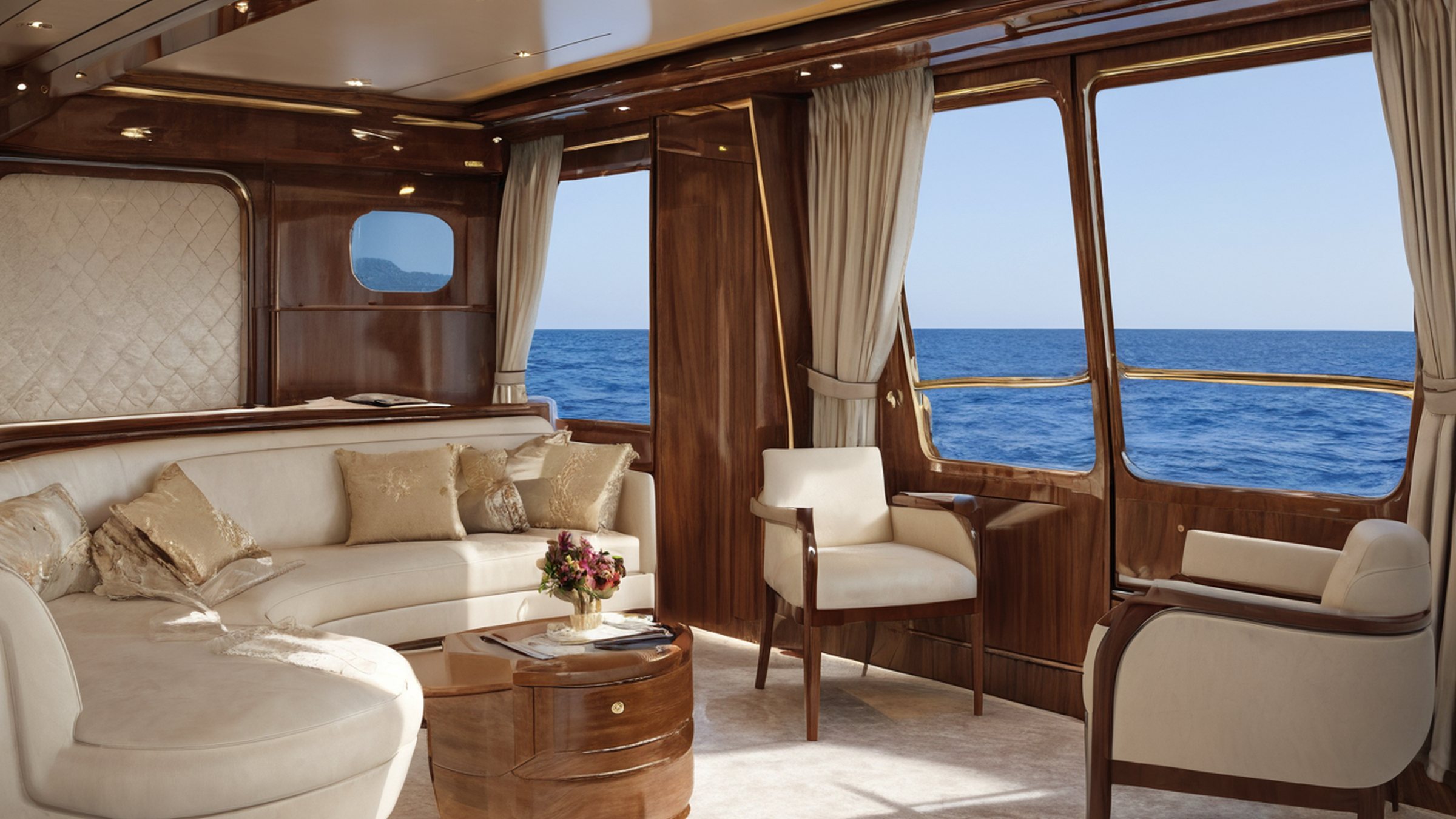
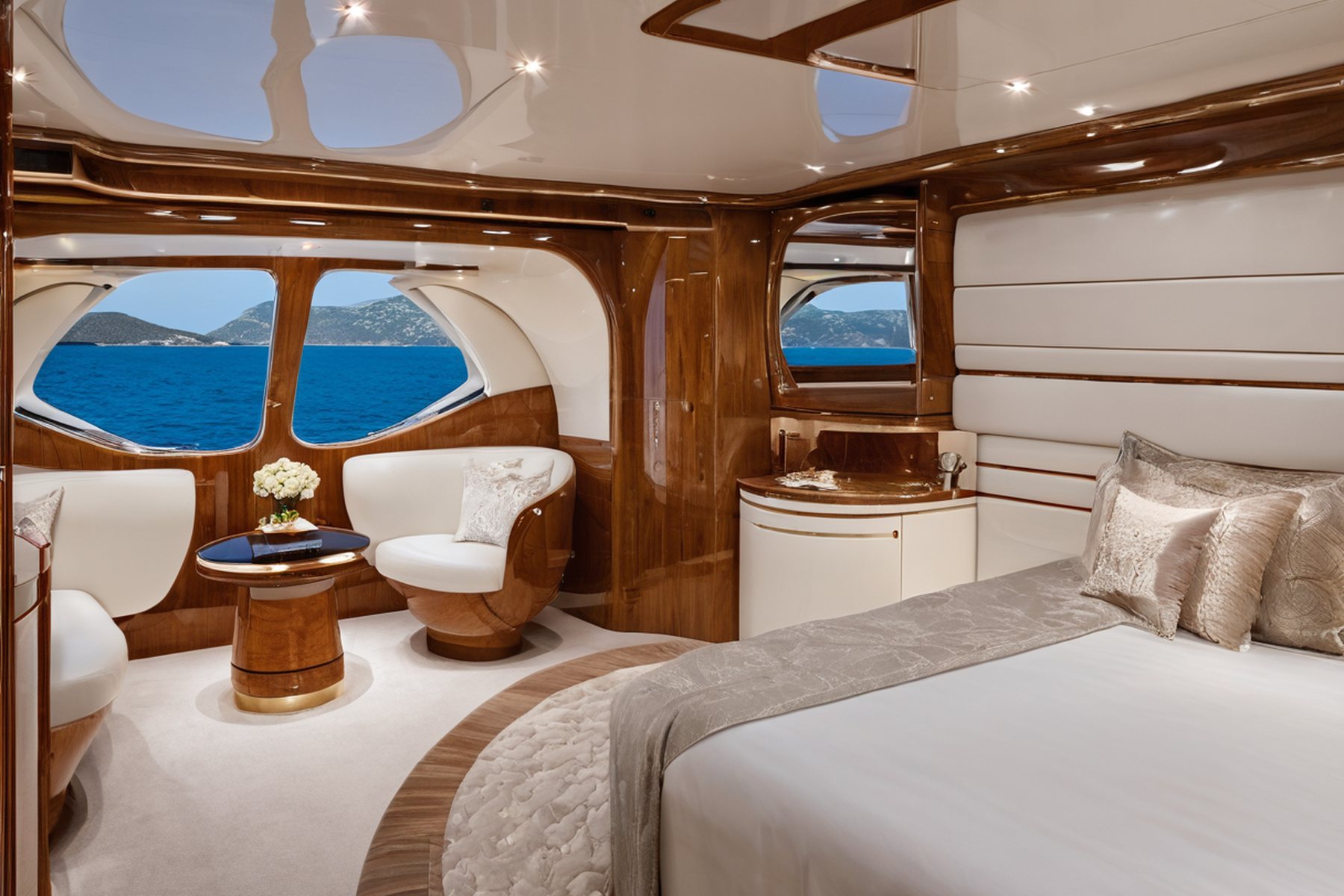
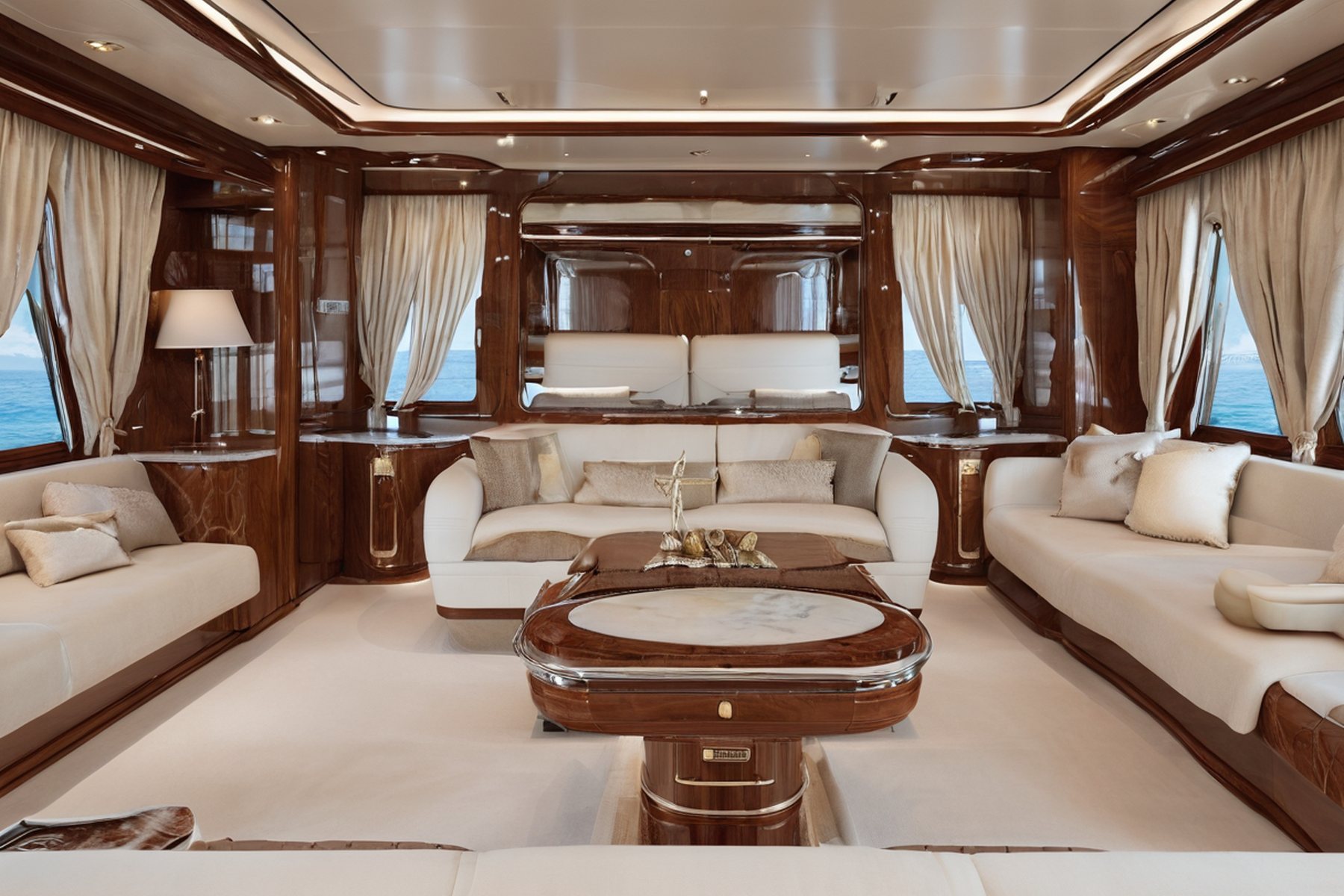
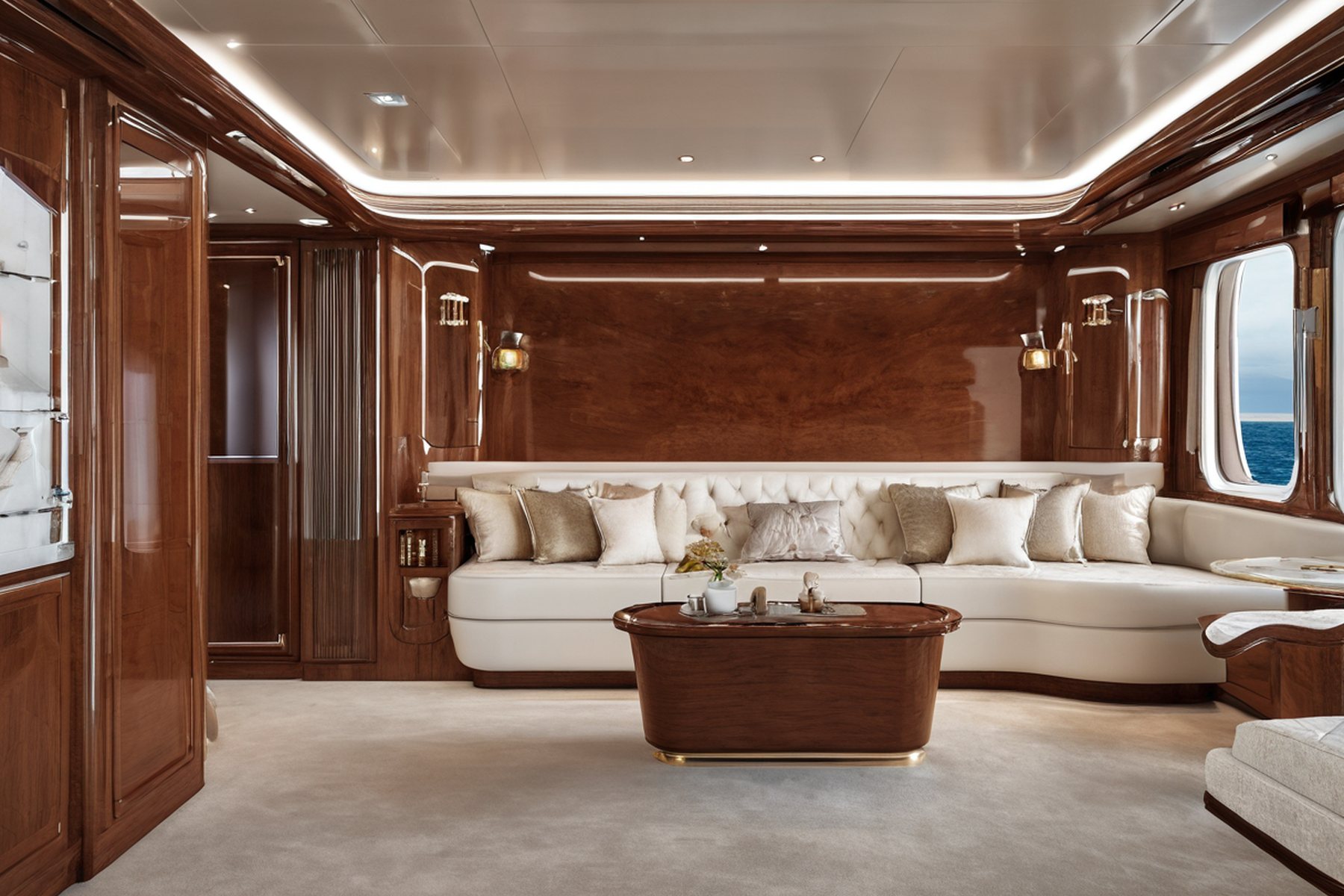
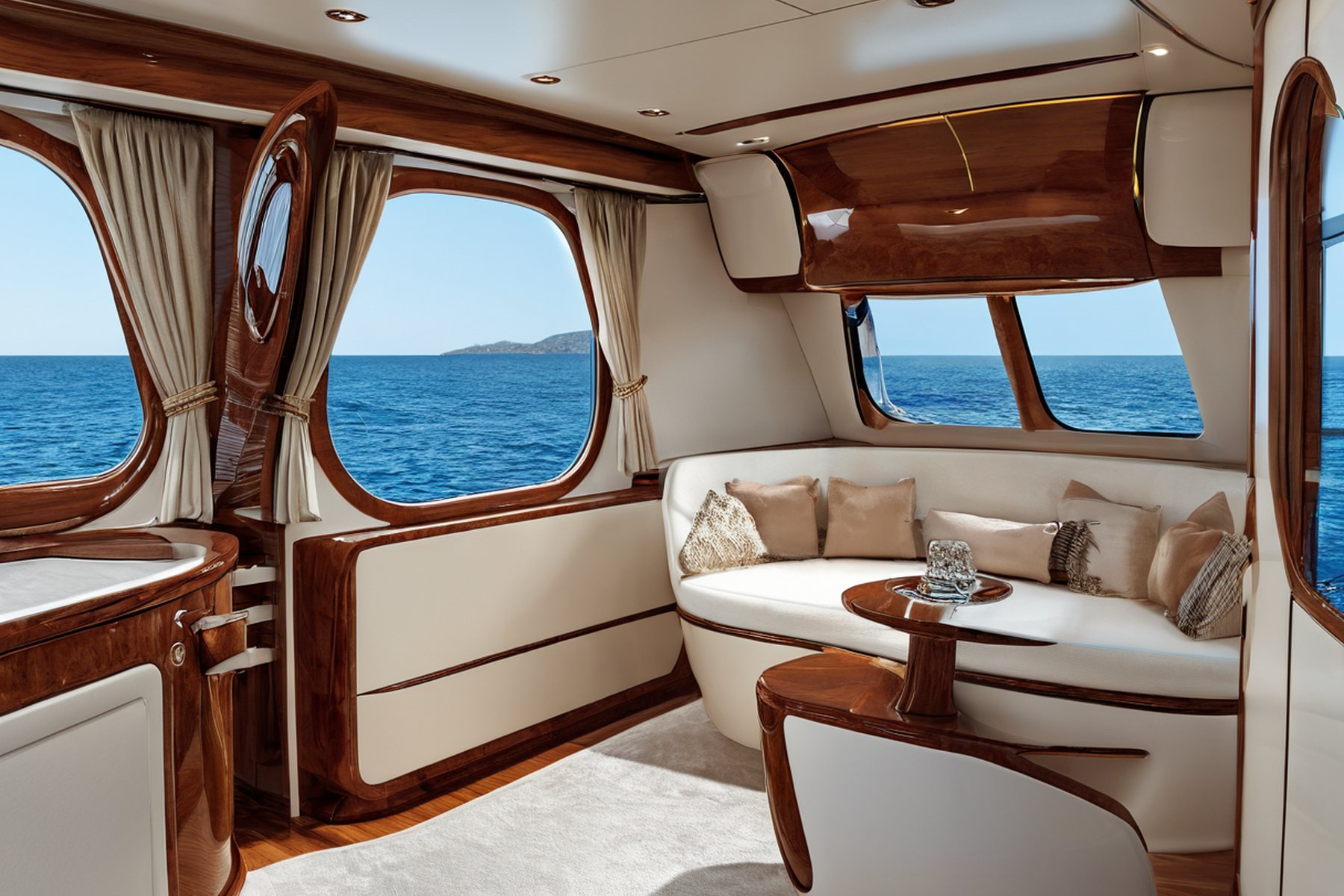
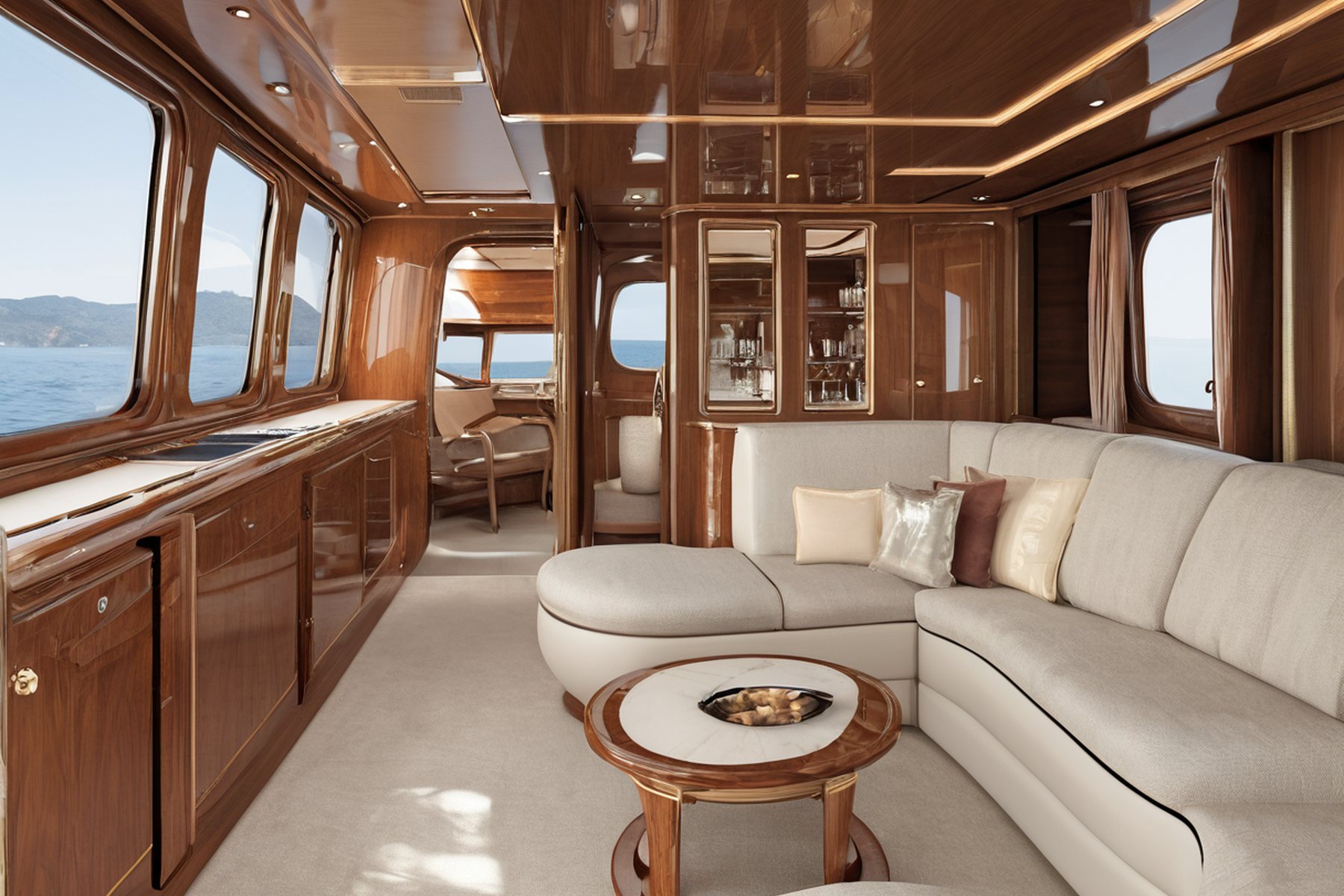
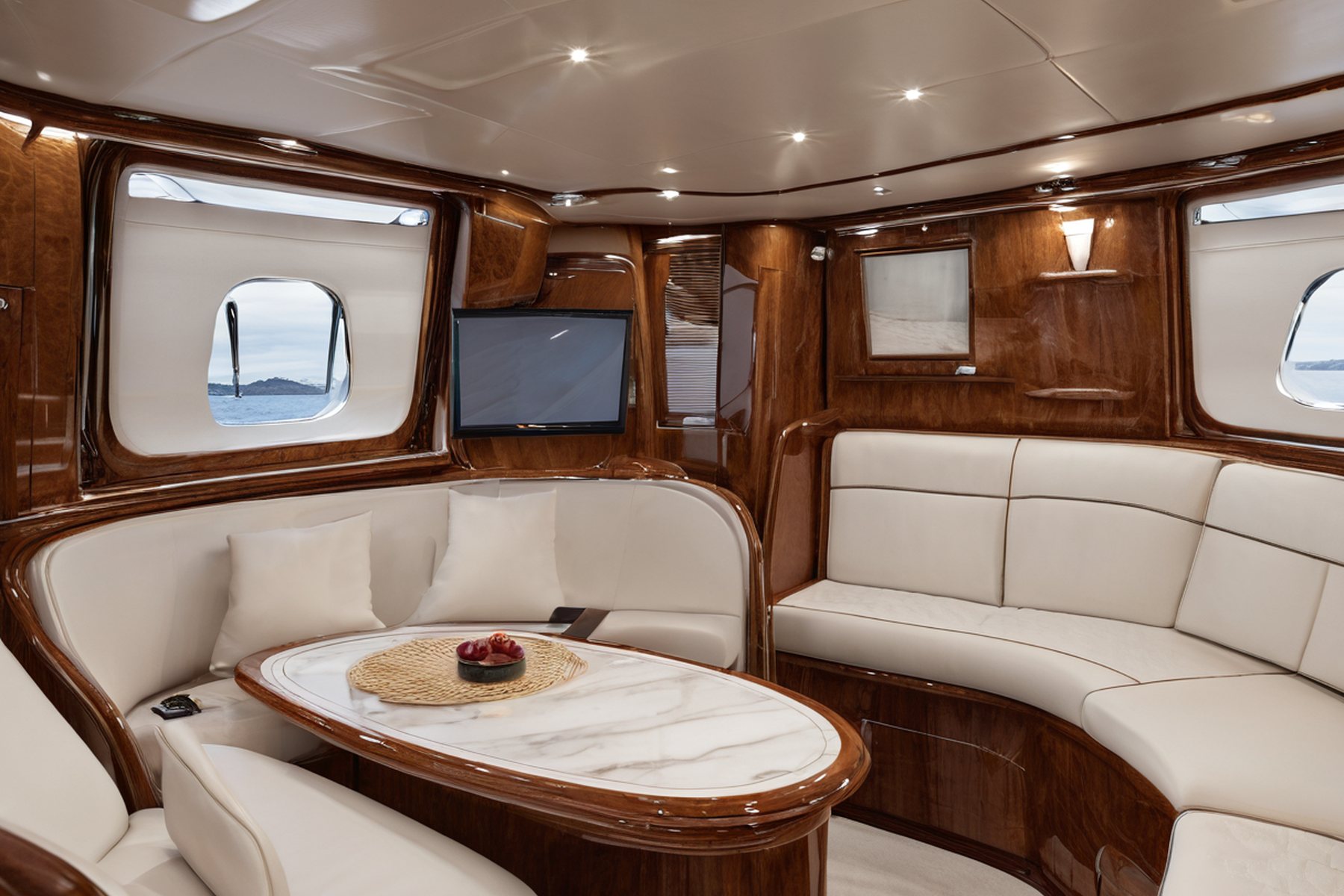
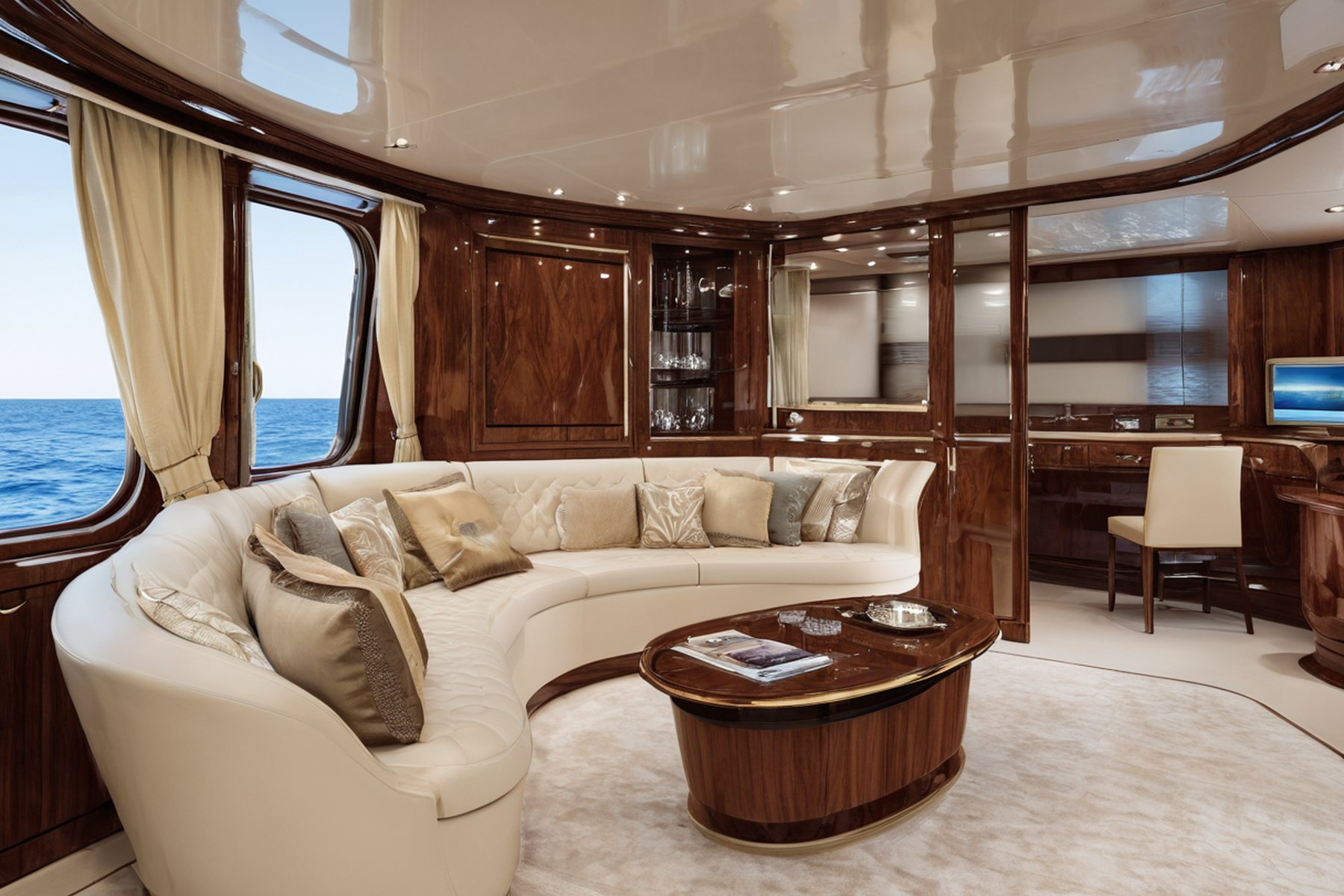
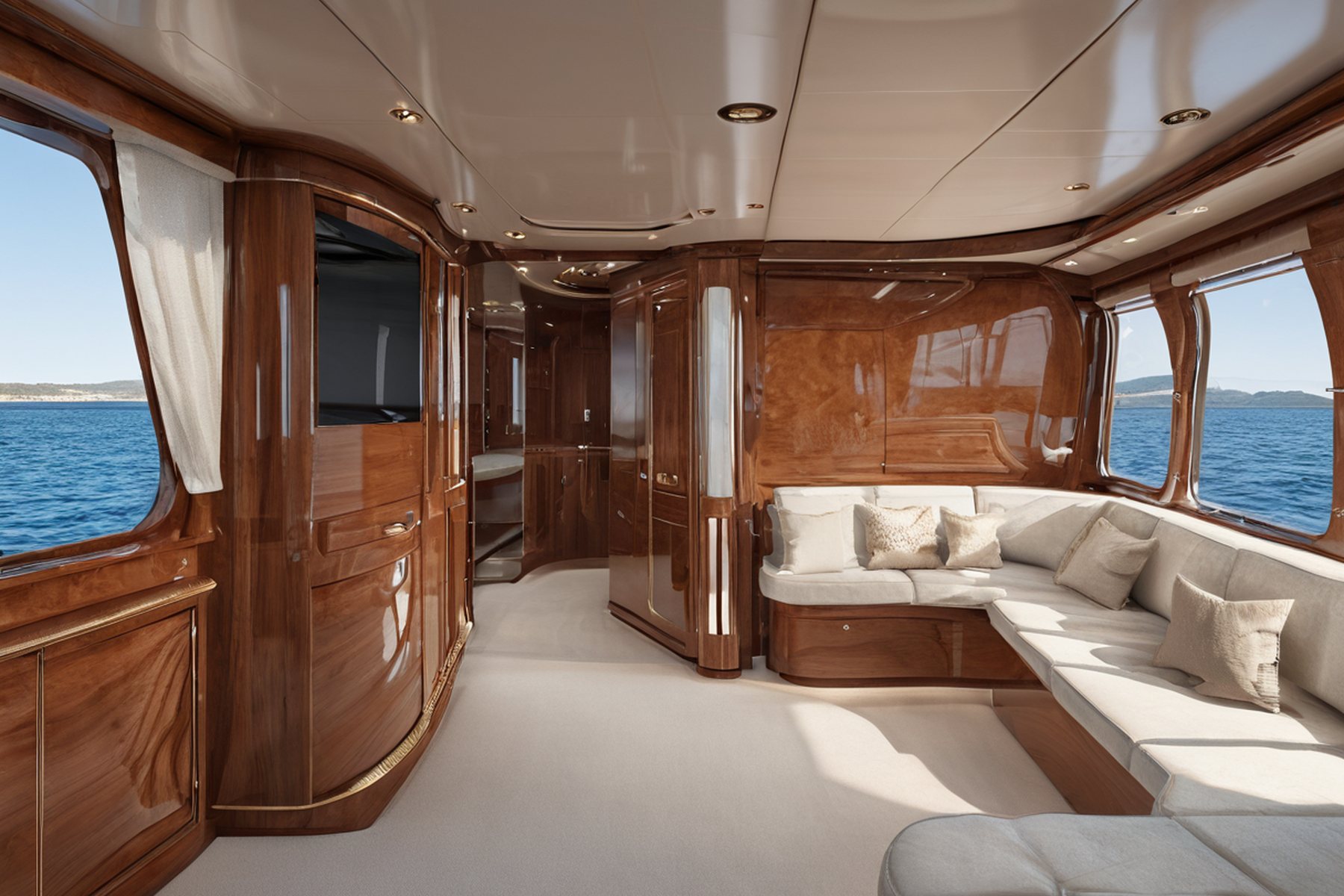
luxury yacht interior design deep sea yacht saloon by Modenese Gastone
What does luxury yacht interior design by Modenese Gastone involve?
Luxury yacht interior design at Modenese Gastone brings classic Italian carving, gilding and finishing to yachts and superyachts, drawn to marine requirements rather than dry-land dimensions. The Milan studio works from the same Veneto workshop that has made classic furniture since 1818, building each saloon and cabin lightweight, sealed and fixed for life at sea.
A yacht interior cannot be furnished like a room in a villa. Weight affects stability and range, humidity and salt air attack unsealed surfaces, and fire-safety rules govern what upholstery and finishes a vessel may carry. Modenese Gastone answers each of these while keeping the Baroque, Empire and Neoclassical language its clients expect.
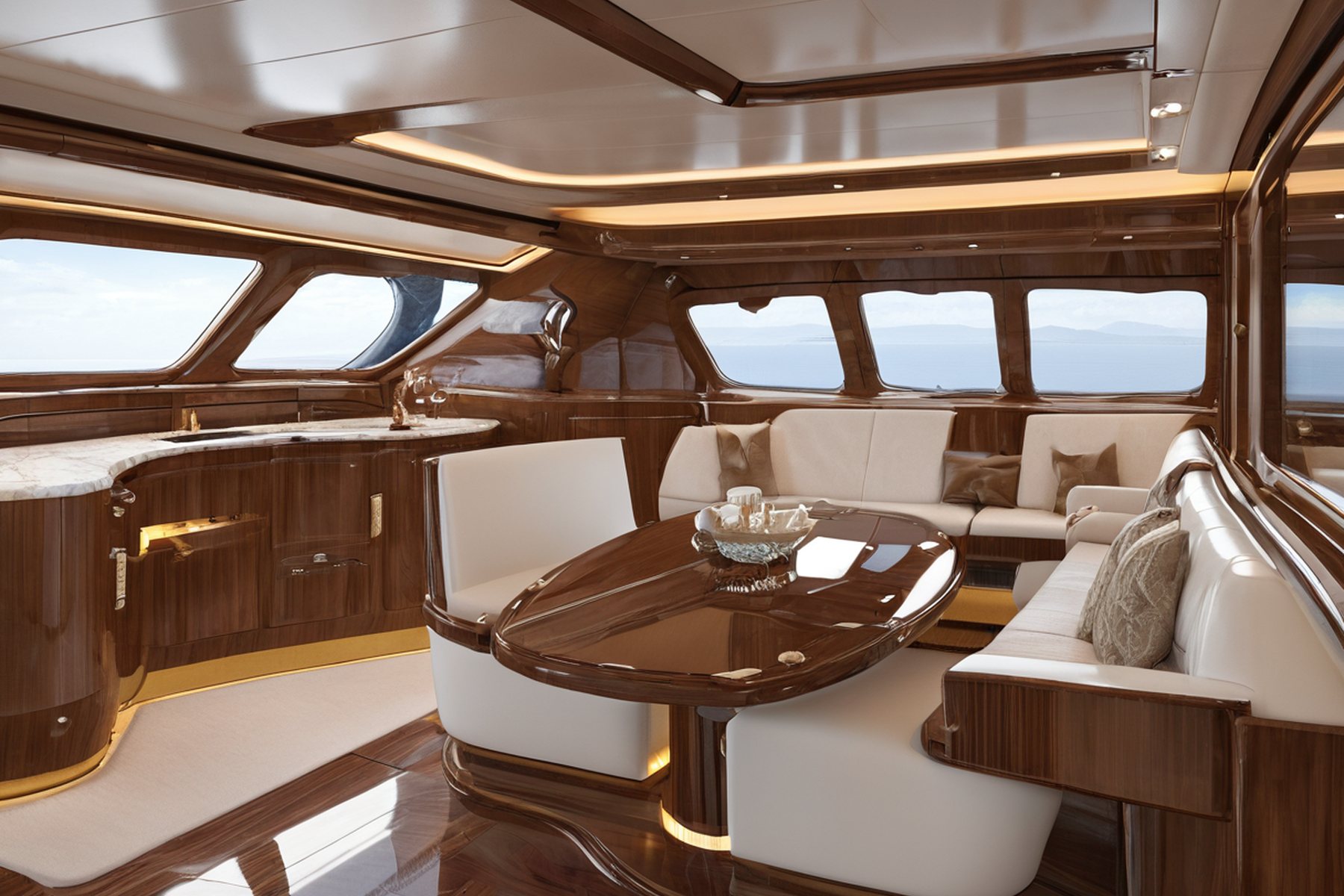
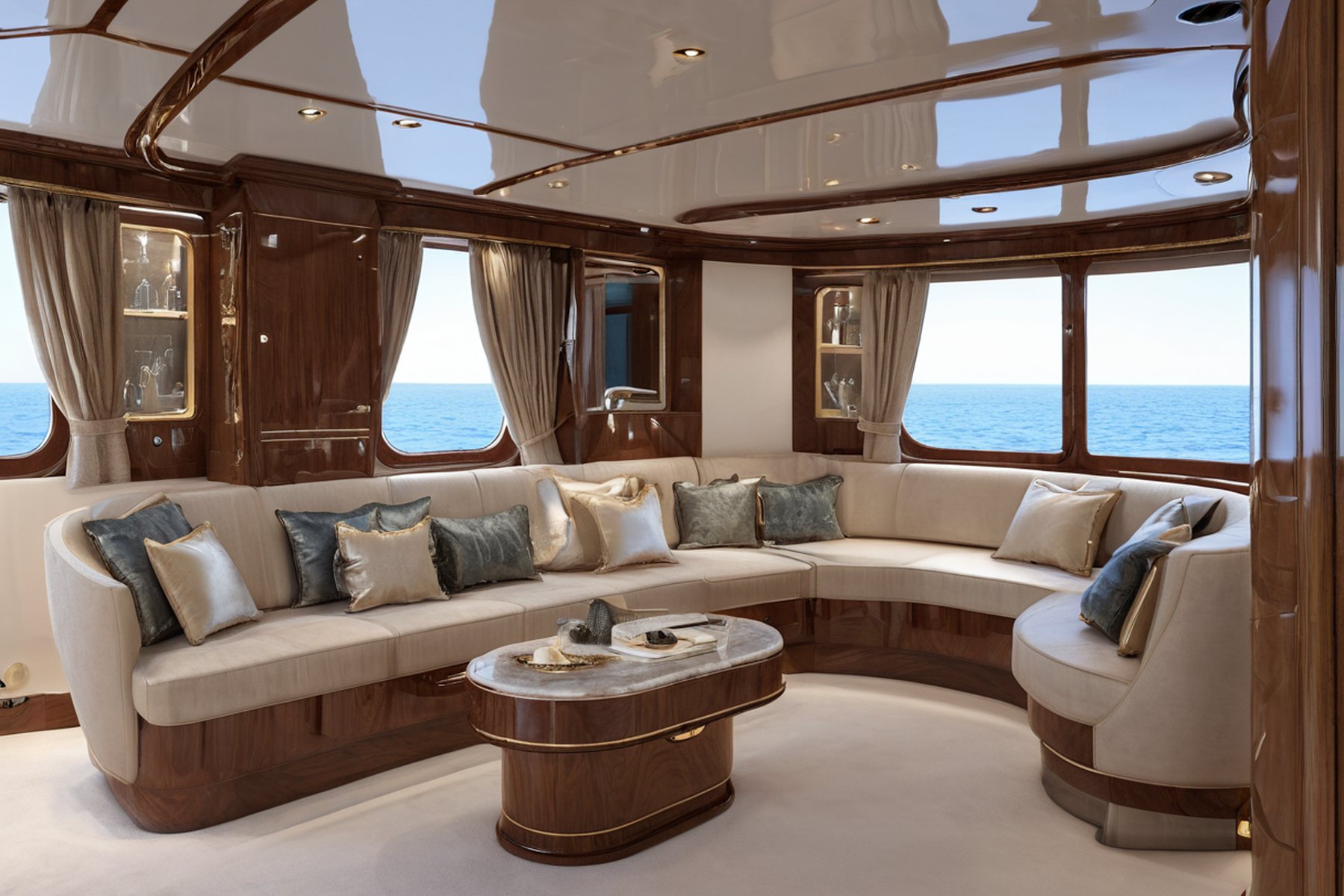
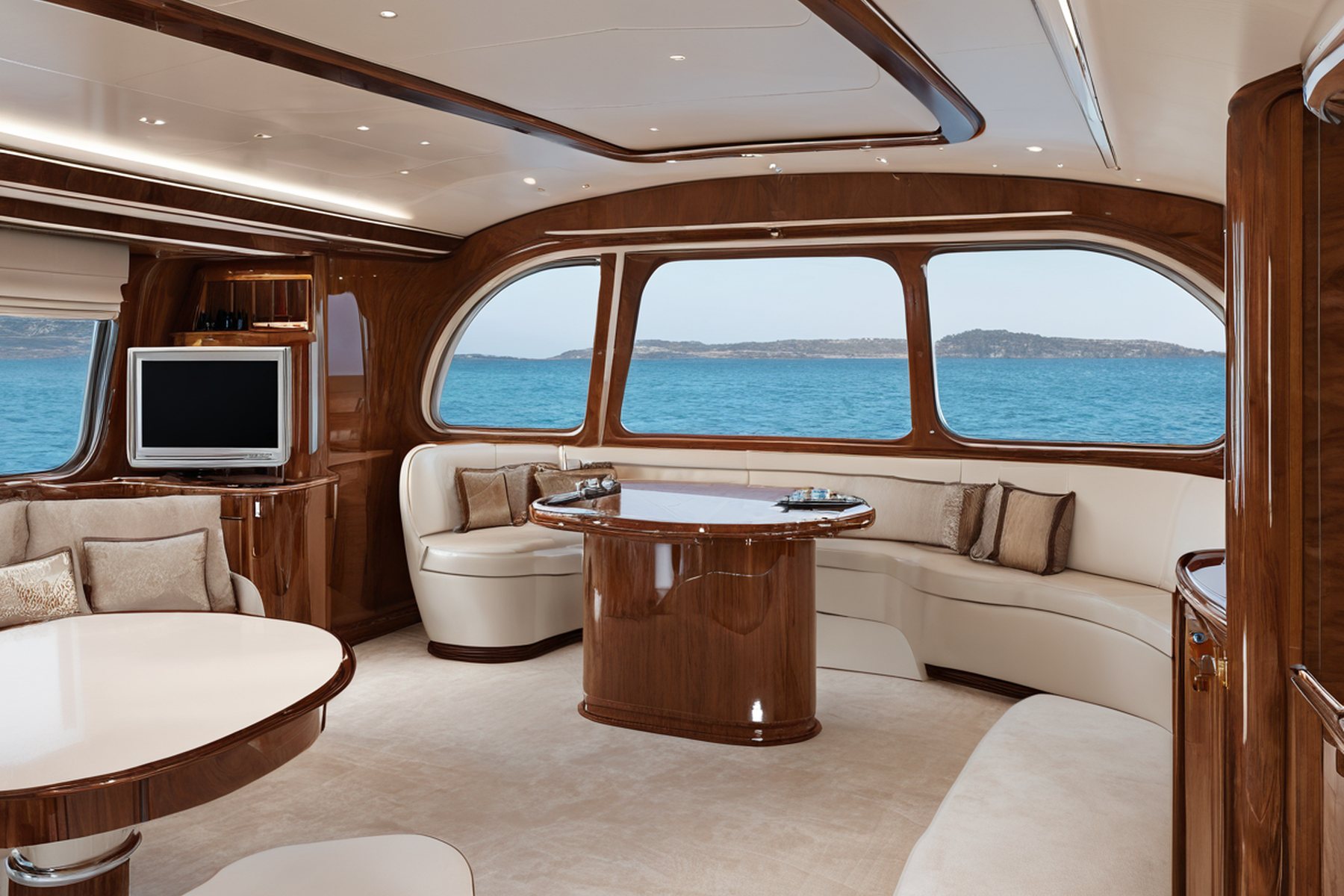
The work covers the whole vessel: a formal main saloon, a private owner's suite, guest staterooms, formal dining and the sky lounge. The anchor collection is Perla del Mare, adapted through the full interior services to each layout. Every finish and fixing is recorded on the marine materials page before the workshop cuts a single panel.
Because a refit or new build runs to the shipyard calendar, timing follows the vessel, not a catalog date. The shipyard process sets an approval at drawings and at class review, and the Milan studio explains what a naval architect or owner's representative should send for a first drawing. The shared landline is +39 0429 879146 and the company VAT is IT05076590289.
Why order yacht interiors from a classic furniture workshop?
A yacht interior needs two things at once: the carving and finish of a genuine classic maker, and construction that satisfies marine engineers. Modenese Gastone holds both because it draws, carves and finishes in its own Veneto workshop, then builds each piece lightweight, sealed and fixed for a moving hull.
Weight kept under control
Frames use lightweight solid wood over veneered composite cores, a build that cuts mass to help a yacht hold stability and range. Pieces are held with concealed marine fixings and drawn to compact cabin dimensions. See how this reads in the main saloon.
Finishes made for salt air
Every surface is sealed against humidity and salt air, from lacquer and 24k gold leaf to stone tops and upholstery. The finishes are formulated for a marine cabin rather than a dry room, and each one is listed on the marine materials page.
Built to the rulebook
Upholstery and finishes are specified fire-retardant to MED or SOLAS where the layout requires, and the build is reviewed against standards such as RINA, Lloyd's Register and MED Wheelmark. The shipyard process shows where that review sits in the schedule.
Classic Italian yacht interiors from saloon to owner's suite
luxury yacht interior design panoramic sky lounge by Modenese Gastoneluxury yacht interior design yacht suite by Modenese Gastoneluxury yacht interior design curved hull dining by Modenese Gastoneluxury yacht interior design guest stateroom compact by Modenese Gastoneluxury yacht interior design marine materials board by Modenese Gastoneluxury yacht interior design concealed fixing detail by Modenese Gastoneluxury yacht interior design salt air finish macro by Modenese Gastoneluxury yacht interior design wheelhouse lounge by Modenese Gastoneluxury yacht interior design shipyard review table by Modenese Gastoneluxury yacht interior design ocean window sofa by Modenese Gastoneluxury yacht interior design fire retardant upholstery by Modenese Gastone
Which materials suit a yacht cabin, and how are they held?
Yacht interiors are chosen for weight, fire behaviour and resistance to a damp, salty cabin, then held with fixings that tolerate a moving hull. Modenese Gastone records each material against those four measures so an owner or shipyard can check every surface before drawings are approved.
Material
Weight per unit
Fire rating
Humidity / salt resistance
Fixing method
Lightweight solid-wood frame
Lower than solid timber
Reviewed against MED or SOLAS where specified
Sealed against humidity and salt air
Concealed marine fixings
Veneered composite core panel
Lighter than an equivalent solid panel
Fire-retardant build where the layout requires
Moisture-stable core with sealed edges
Bonded and mechanically fixed
24k gold-leaf detailing
Negligible added weight
Applied over a treated, sealed ground
Sealed under a protective coat
Laid on carved relief
Marine-grade upholstery
By fabric schedule
Fire-retardant to MED or SOLAS where specified
Treated for damp and salt exposure
Upholstered over shaped padding
Stone and marble tops
Reduced thickness or backed to cut weight
Non-combustible surface
Sealed against moisture
Set into a shock-tolerant frame
Lacquer and hand finish
No structural weight
Over a treated, sealed ground
Formulated for humidity and salt air
Bonded to prepared timber
How is a yacht interior specified differently from a villa interior?
A yacht interior follows the vessel, not the room. Dimensions are compact and often curved, weight is budgeted against stability and range, and finishes and upholstery must pass marine fire rules. Modenese Gastone keeps the classic Italian look while meeting each of these, working alongside the shipyard and naval architect throughout.
The starting point is the general arrangement, not a room plan. Compact and sometimes curved cabins call for custom dimensions, concealed marine fixings and a weight budget agreed with the naval architect. From there the studio adapts the Perla del Mare language across the owner's suite and guest staterooms.
These pages carry the next decision for a yacht interior: the range of services, the two flagship spaces, the marine material specifications and direct contact with the Milan studio.
Modenese Gastone replies with drawings and a quotation once the room, dimensions, destination country and finish direction are known. The full enquiry form is on the contact page.